Astronomy in the UK
From the ancient to the modern
The United Kingdom has a rich history in the field of astronomy, stretching from ancient monuments to cutting-edge modern research facilities.
Stonehenge
Ancient Observatories
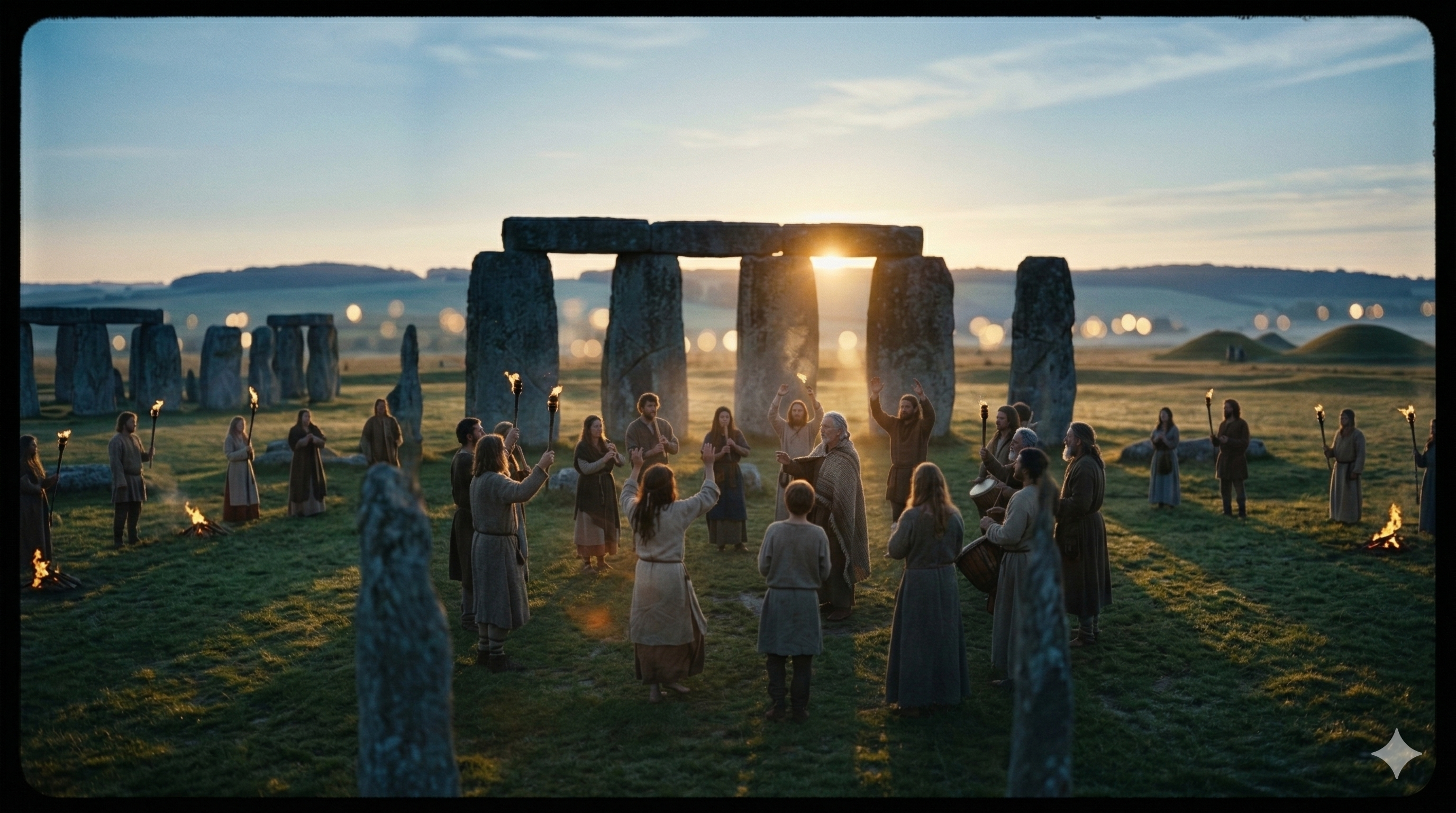
Long before telescopes were invented, ancient Britons were observing the sky. Monuments like Stonehenge, built around 2500 BC, were aligned with the movements of the sun, highlighting the solstices. This shows that tracking the heavens has been part of human culture in the UK for thousands of years.
The Royal Observatory
Greenwich and True North
Founded in 1675 by King Charles II, the Royal Observatory in Greenwich was tasked with solving the problem of longitude for navigation at sea. John Flamsteed, the first Astronomer Royal, meticulously mapped the stars. It is here that the Prime Meridian of the World (Longitude 0°) is defined.
William Herschel
Discovering New Worlds
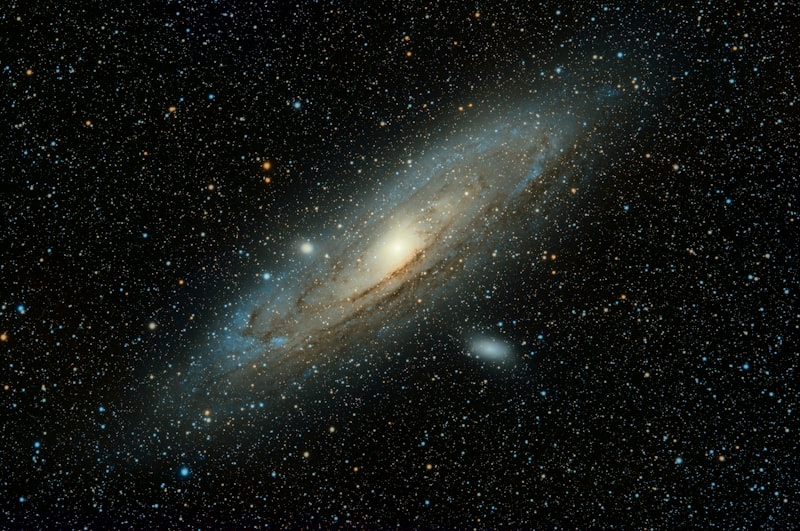
In 1781, while observing from his garden in Bath with a telescope of his own design, William Herschel discovered the planet Uranus. He was also the first to catalog thousands of deep-sky objects, expanding our understanding of the universe beyond the solar system.
Modern Era
Jodrell Bank and Radio Astronomy
In the 20th century, the UK pioneered the field of radio astronomy. The Lovell Telescope at Jodrell Bank Observatory in Cheshire, completed in 1957, was for many years the largest steerable radio telescope in the world. It played a crucial role in tracking early space probes and continues to study pulsars and distant galaxies today.